
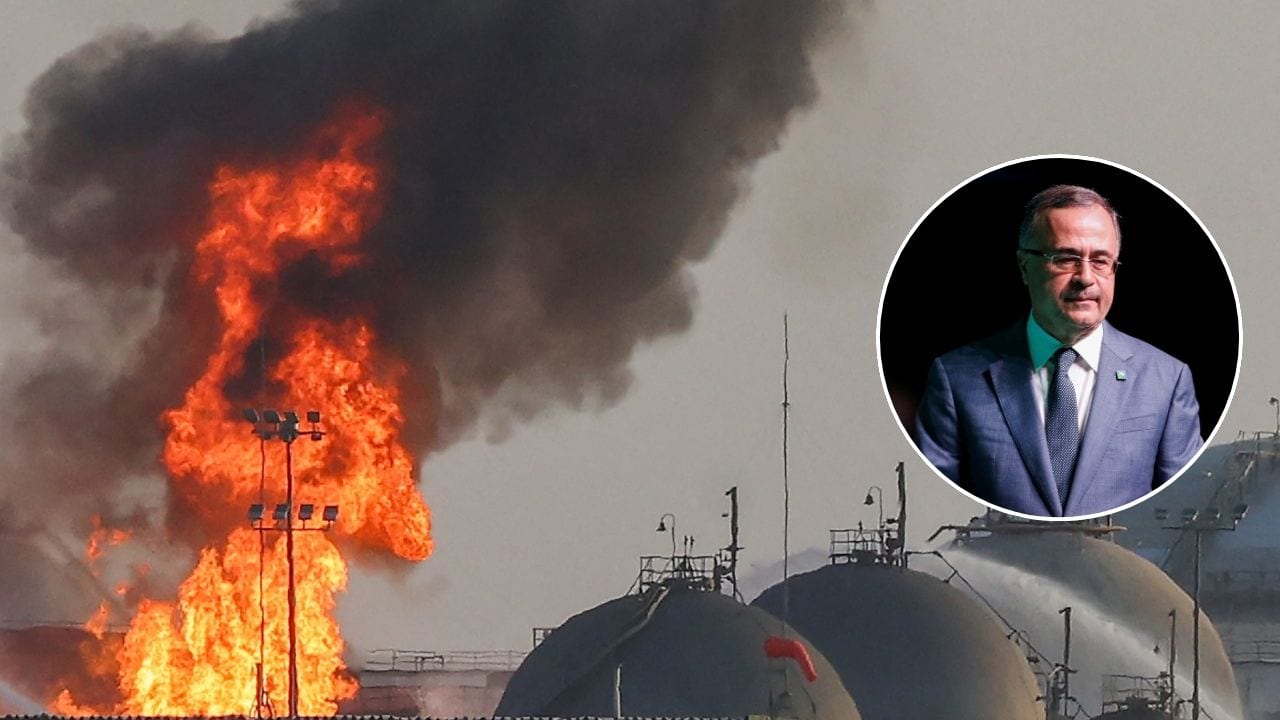
Global oil inventories have fallen to levels that could take up to two years to rebuild, Saudi Aramco Chief Executive Officer (CEO) Amin Nasser has said, warning that the world’s remaining supply cushion is “scarily thin”.
Nasser said that the seven-month conflict involving the United States (US), Israel and Iran had cut oil supplies from the region by nearly three billion barrels, which he said amounted to around half of the crude oil and refined fuels that would have moved through the Strait of Hormuz during the period.
More than one billion barrels have been taken from reserves to make up for the shortfall, Nasser added.
Governments have released more than 300 million barrels from strategic reserves and agreed on Friday to release additional supplies. Nasser added that companies, however, had provided most of the oil released so far from their reserves, describing them as “the last major tool in the box.”
Speaking publicly for the first time since the conflict began at the Energy Intelligence Forum conference in London, Nasser estimated that less than 6 billion barrels of commercial inventories remain globally.
“Less than 6bn barrels of commercial inventories remain today, with the vast majority not practically available,” he said.
“The system is already straining,” he told the conference. “And with precious little else the world can turn to, the supply resilience cushion is scarily thin.”
Nasser also warned that technology such as satellite imagery and shipping logs was increasingly being used against oil infrastructure and tankers.
In recent weeks, Iran has attacked ships travelling through the Strait of Hormuz while groups it supports in Iraq and Yemen have targeted Aramco pipelines, refineries and ports.
“Tools of transparency should not become ammunition for aggression,” Nasser said.
The disruption has affected global oil markets even as efforts to move crude through the Strait of Hormuz have helped restore some supplies.
Oil shipments from Gulf countries reached 15.5 million barrels per day last month, according to data provider Kpler. The figure marked the highest level since the conflict began and represented more than 80 percent of the volume recorded before the conflict.
However, moving the oil has come at a high cost. Physical North Sea crude cargoes scheduled for delivery this month have risen to their highest prices since April as oil markets remain tight.
Nasser said that rebuilding inventories after the conflict while continuing to meet demand could take up to two years.
“Replenishing inventories while meeting demand could take up to two years,” he said, calling on governments to give greater attention to energy security and resilience.
Aramco is also looking at additional routes to export Saudi crude and considering more overseas storage facilities to shield customers from future supply disruptions, Nasser said.
